I build content that drives clicks decisions.
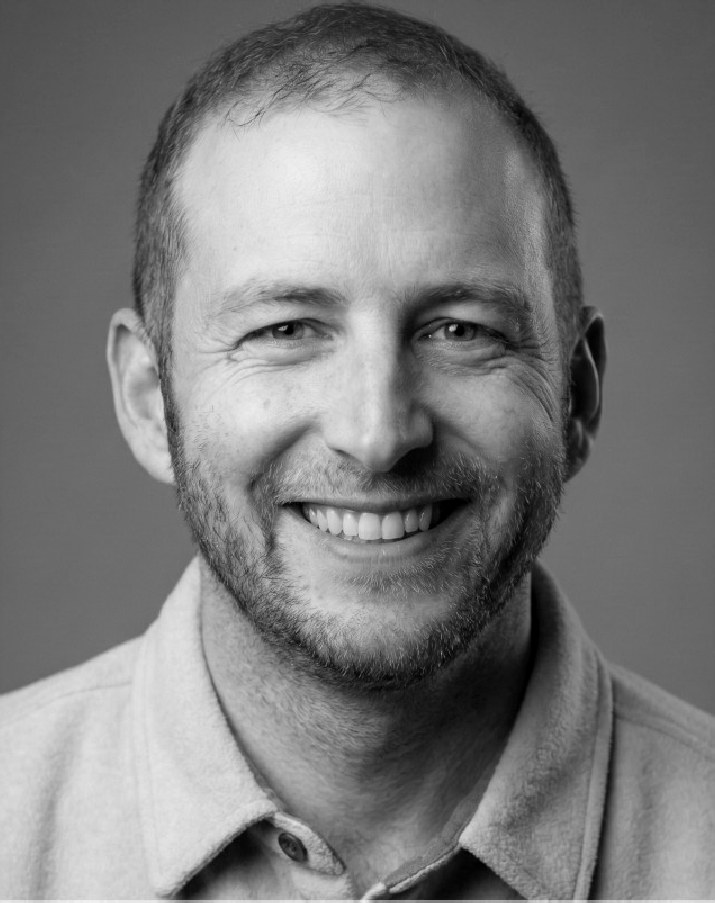
I’m Frank Kalman, a Medill-trained journalist and content strategist in Franklin, Massachusetts.
What I do
I lead editorial strategy at Bluebeam, where I run Built for about 40,000 readers a month.
- Editorial strategy
- What a brand believes, what it won’t say, and a plan that survives the next reorg.
- Executive ghostwriting
- Bylines and op-eds for the C-suite, in their voice.
- AI search (AEO and GEO)
- Getting cited by the answer engines that are replacing search.
- AI-assisted production
- I direct the tools the way a film director directs a crew. The judgment stays human.
- Local websites
- Sites for small businesses around Franklin. How it works
For local businesses
If I emailed you about your website, start here. I build sites for businesses around Franklin through Blue Hour, a small firm I’m starting with a partner.
- A mockup firstI draft your home page from what’s already public and send it as a PDF. The mockup is free.
- An hour on a video callI interview you, record it and write the site from that conversation.
- A site that gets foundYour hours, prices and story in plain text that customers, Google and AI tools can read.
I use AI tools to build fast and keep costs down. The reporting, the writing and the judgment are mine.
Where I write
- Frank-ly Food in Franklin
- Restaurants, bars and breweries in Franklin and nearby. Reviews, owner profiles and reporting.
- I’m Going to Be Frank With You
- Essays on media, sports, politics and culture.
- The Imperfect Draft
- A LinkedIn newsletter on editorial strategy and AI workflows.
- From Writer to Operator
- A 7,400-word playbook on what AI changes about content work, and what it doesn’t. PDF.
Background
- 2026 to now
- Frank-ly Food in Franklin — founder and editor. Blue Hour — co-founder.
- 2019 to now
- Bluebeam — content manager; before that, senior content strategist.
- 2017 to 2019
- Wentworth Financial Communications — chief marketing officer, then chief operations officer.
- 2011 to 2018
- Human Capital Media — associate editor to managing editor across Talent Management, Workforce and Chief Learning Officer.
- 2010 to 2011
- Crain’s Chicago Business — real estate reporter. Medill, Northwestern — master’s in journalism.
- 2009
- Indiana University — bachelor’s in history.
Off the clock: Chicago sports fan living outside Boston, father of two small kids, and mediocre guitarist behind a fictional band with real songs.
Say hello
Content strategy, a website for your business, or a disagreement with something I wrote. Same address for all three.